

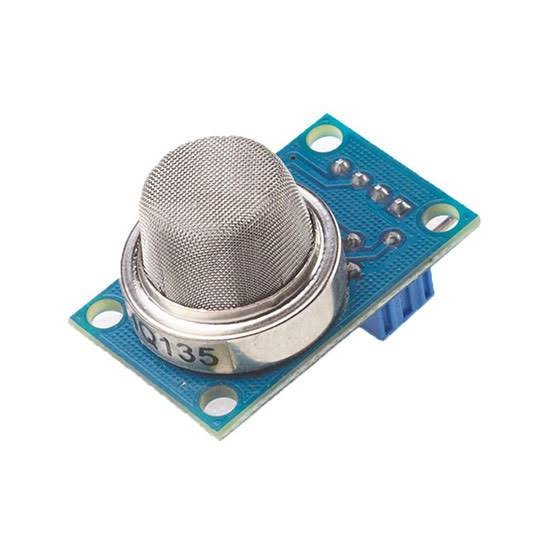
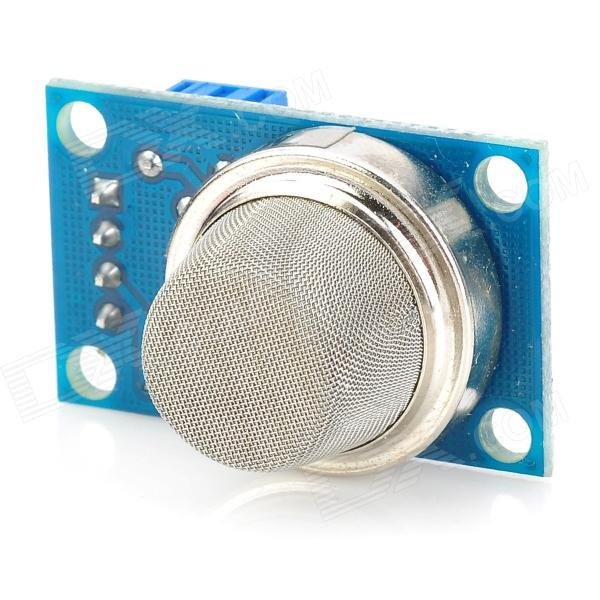
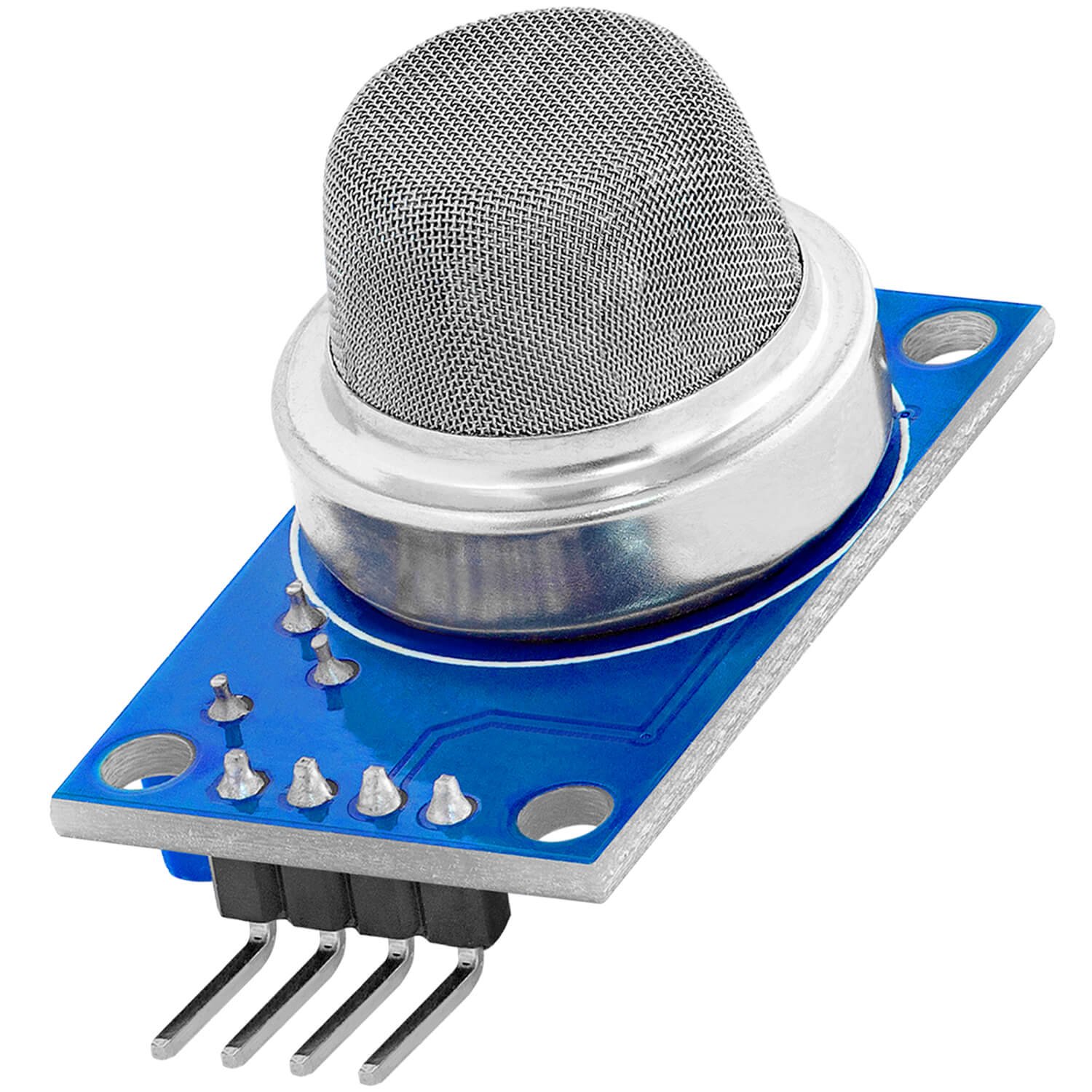
MQ135 Air Quality Detector Sensor Module
- Air Quality Sensor Module
- Condition: New
- Size: 32mm X22mm X27mm
- Main chip: MQ-135
- Operating Voltage: 5V DC
- Type: Analog & Digital
- Sensitivity to Ammonia, Sulphide and Benzene steam
- Detecting Range: 100-1000ppm
- With signal output instructions
- TTL output signal is low level
- Analog 0 ~ 5 v voltage output, the higher the concentration, the higher the voltage
- Color is showing pictures.
- Sensitive for benzene, alcohol, smoke
- Fast response and recovery
- Adjustable sensitivity
- Signal output indicator
- Output voltage boosts along with the concentration of the measured gases increases
₨ 389 ₨ 562
MQ135 Air Quality Detector Sensor Module MQ-135 gas sensor
The MQ 135 Air Quality Detector Sensor Module For Arduino has lower conductivity in clean air. When the target combustible gas exists, the conductivity of the sensor is higher along with the gas concentration rising. Convert the change of conductivity to the corresponding output signal of gas concentration. The MQ135 gas sensor has high sensitivity to Ammonia, Sulphide and Benzene steam, also sensitive to smoke and other harmful gases. It is with low-cost and suitable for different applications such as harmful gases/smoke detection.
Specifications and features of the MQ135 Air Quality Detector Sensor Module:
- Air Quality Sensor Module
- Condition: New
- Size: 32mm X 22mm X 27mm
- Main chip: MQ-135
- Operating Voltage: 5V DC
- Type: Analog & Digital
- Sensitivity to Ammonia, Sulphide and Benzene steam
- Detecting Range: 100-1000ppm
- With signal output instructions
- TTL output signal is low level
- Analog 0 ~ 5 v voltage output, the higher the concentration, the higher the voltage
- Color is showing pictures.
- Sensitive for benzene, alcohol, smoke
- Fast response and recovery
- Adjustable sensitivity
- Signal output indicator
- Output voltage boosts along with the concentration of the measured gases increases
- Please NOTE: that due to lighting effects, monitors brightness/contrast settings etc, there could be some slight differences in the color tone of the pictures and the actual item!
For analog and digital output experiments, connect the module to an Arduino UNO R3 only after confirming the 5V supply and input-voltage requirements.
Explore more Arduino sensors available from Robonation Pakistan.
For technical and safe-use guidance, review the official Winsen MQ135 documentation.
Safety note: This module is intended for learning and prototyping. It is cross-sensitive to multiple gases and must not replace calibrated or certified air-quality and gas-safety equipment.
Based on 0 reviews
Be the first to review “MQ135 Air Quality Detector Sensor Module”
Related products
-
Gas Sensor, Sensors
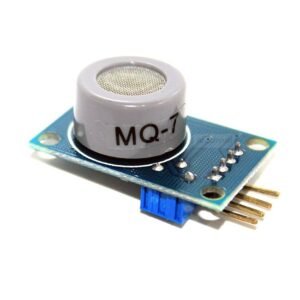
MQ7 MQ-7 Gas Sensor Detection Module
MQ-7 carbon-monoxide sensor module with analog response and an adjustable digital threshold output for Arduino-compatible educational monitoring prototypes. Correct heater cycling, warm-up and calibration are required. This module is not a certified carbon-monoxide alarm and must not be used as life-safety equipment.
SKU: n/a -
-
Pressure, Sensors
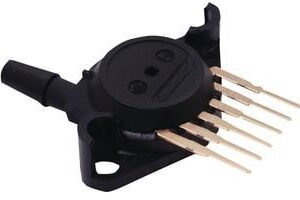
Pressure Sensor MPX5700AP
- On-chip signal conditioned, temperature compensated and calibrated
- 2.5% maximum error over 0°C to 85°C
- Ideally suited for microprocessor or microcontroller-based systems
- Patented silicon shear stress-strain gauge
- Pressure ranges from 15KPa to 700KPa
- Supply voltage ranges from 4.75VDC to 5.25VDC
- Sensitivity of 6.4mV/KPa
- Response time of 1ms
- Durable epoxy unibody element
- Operating temperature ranges from -40°C to 125°C
SKU: n/a -
Heart Rate And Muscle Sensors, Sensors
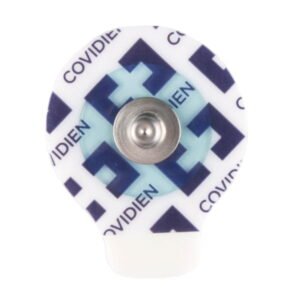
Biomedical Sensor Pad (10 pack)
Pack of 10 disposable snap-style biomedical sensor pads for compatible ECG, EMG or EEG educational signal-acquisition and prototyping setups. Confirm connector and pad compatibility before use. Single-use educational accessory only; not a medical device.
SKU: n/a
There are no reviews yet.